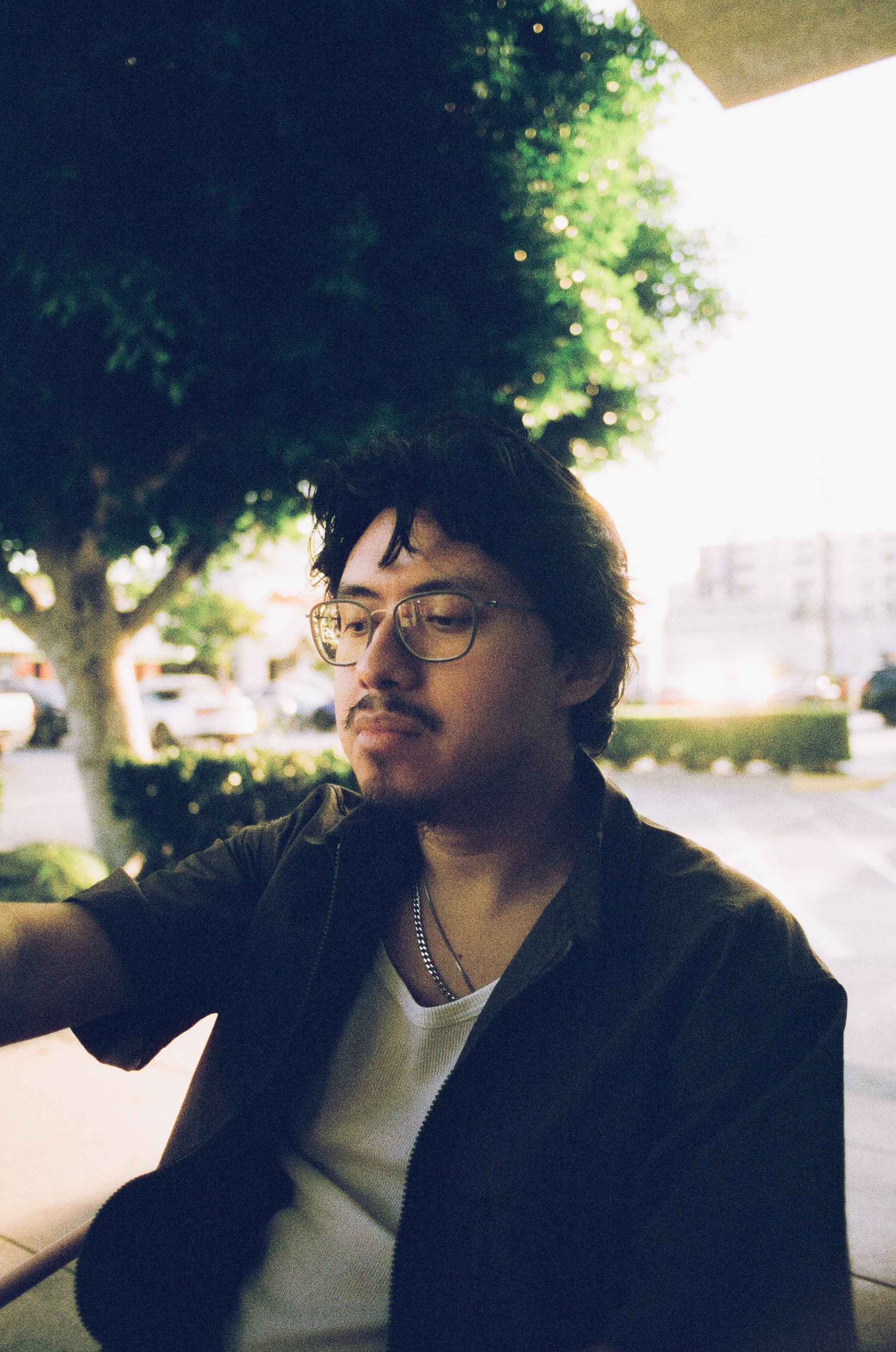
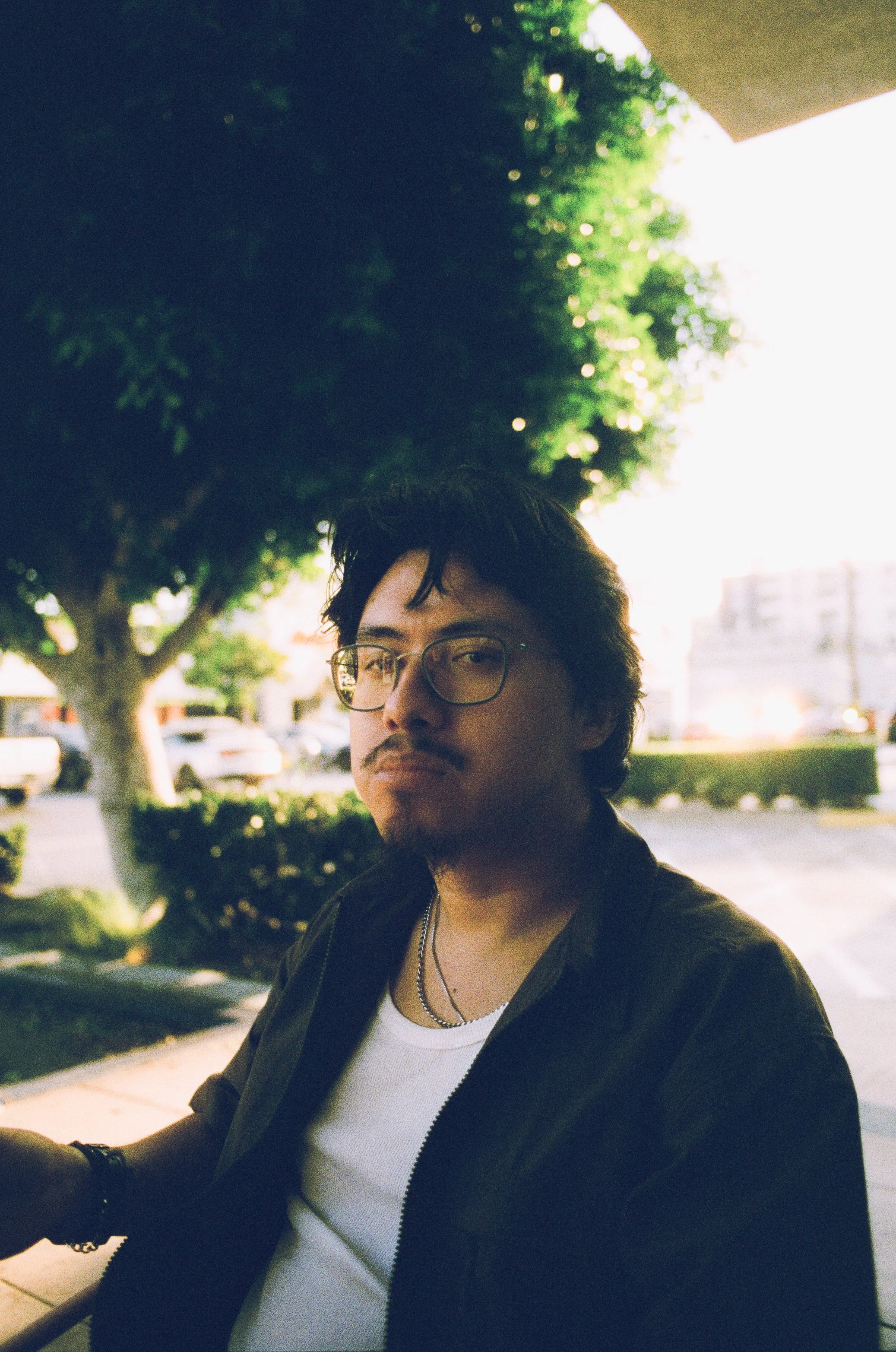
Photography Log #4: Harman Phoenix II + Photo Analyses

Last month, Harman announced the newest film in the market: Phoenix II. Phoenix II replaces the controversially received Phoenix as a less experimental and more forgiving improvement. While Phoenix II is considered an experimental film, I consider it on the borderline between “normal and experimental. It is a film that could live as an everyday film stock if one favors its distinct aesthetic, but not as experimental to the point where it becomes selective to the average shooter or occasion.
Phoenix II has improved from its predecessor in such a way that it arguably still works as an everyday film stock, at least to my eyes it does. This second iteration of the Phoenix color film reflects Harman's journey towards a new, more color-accurate film stock, learning from the inconsistencies in color shifts that made the original prior such a controversial choice amongst shooters. Prior to testing out Phoenix II, I had not know of Harman's intentions with Phoenix as an experimental film stock whose every iteration represents a stepping stone into an eventual final product. It makes me think differently about Phoenix II as a film stock. It is technically a work-in-progress type of film, but in its arguably lack of completeness, it creates room for experimentation.
I must confess that I never truly had the chance to test out the original Phoenix film. I had; however, seen test photos and I’ve also edited photos shot by friends who shot with Phoenix, offering me a chance to understand its interesting colors and limited latitude. That being said, having missed the shooting experience of Phoenix I, I'm unable to provide a proper comparison of both film stocks.
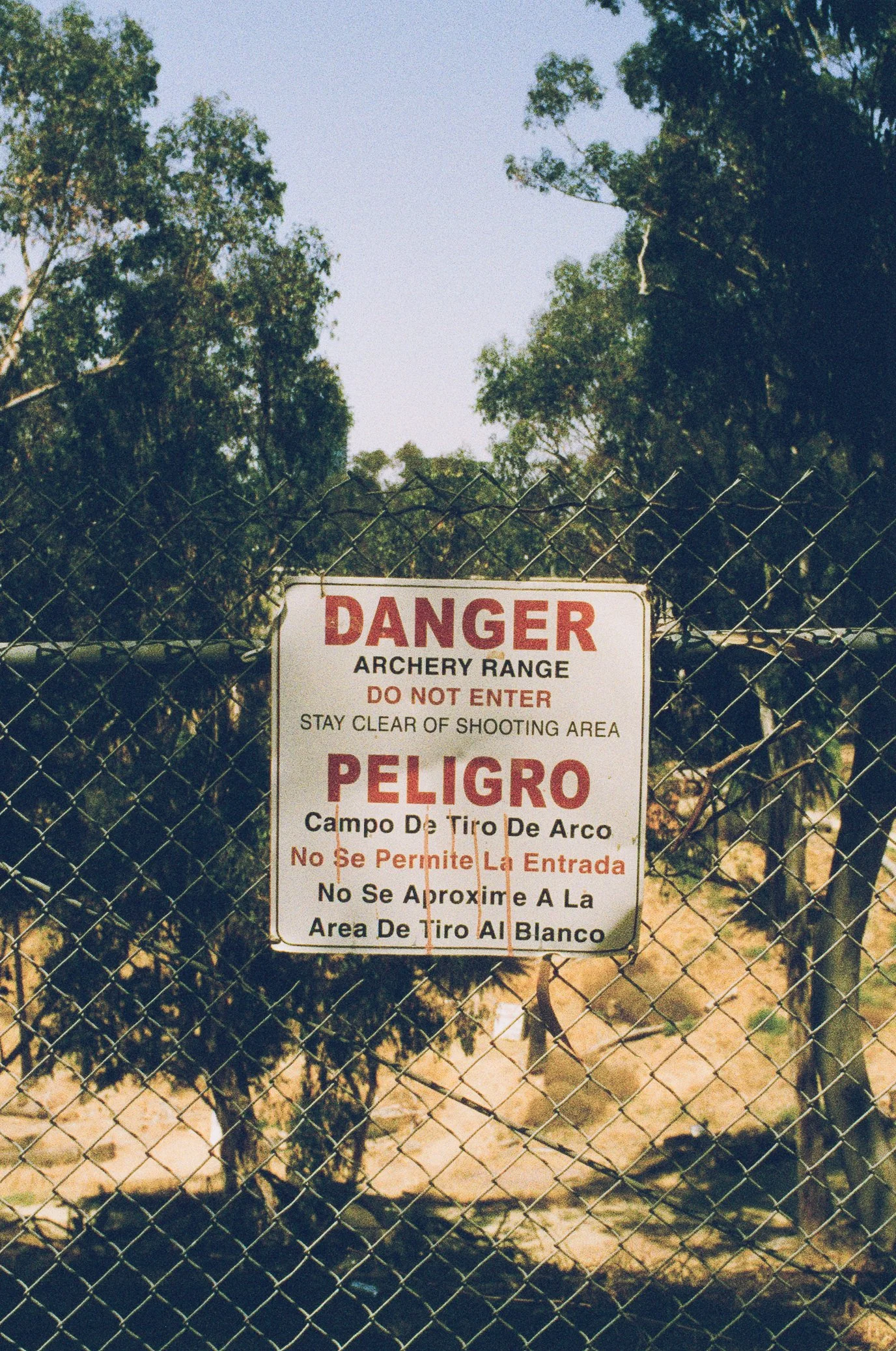
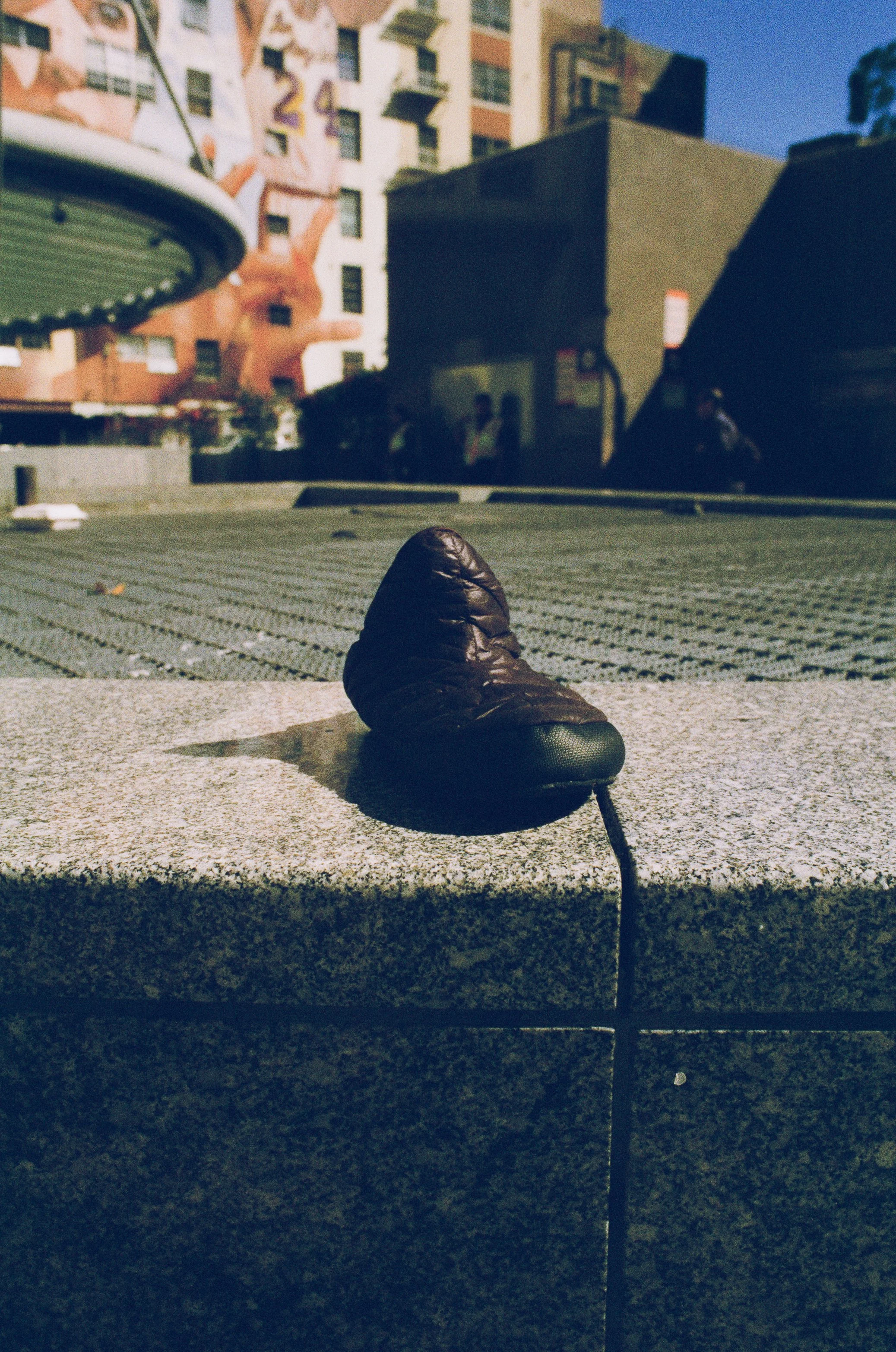
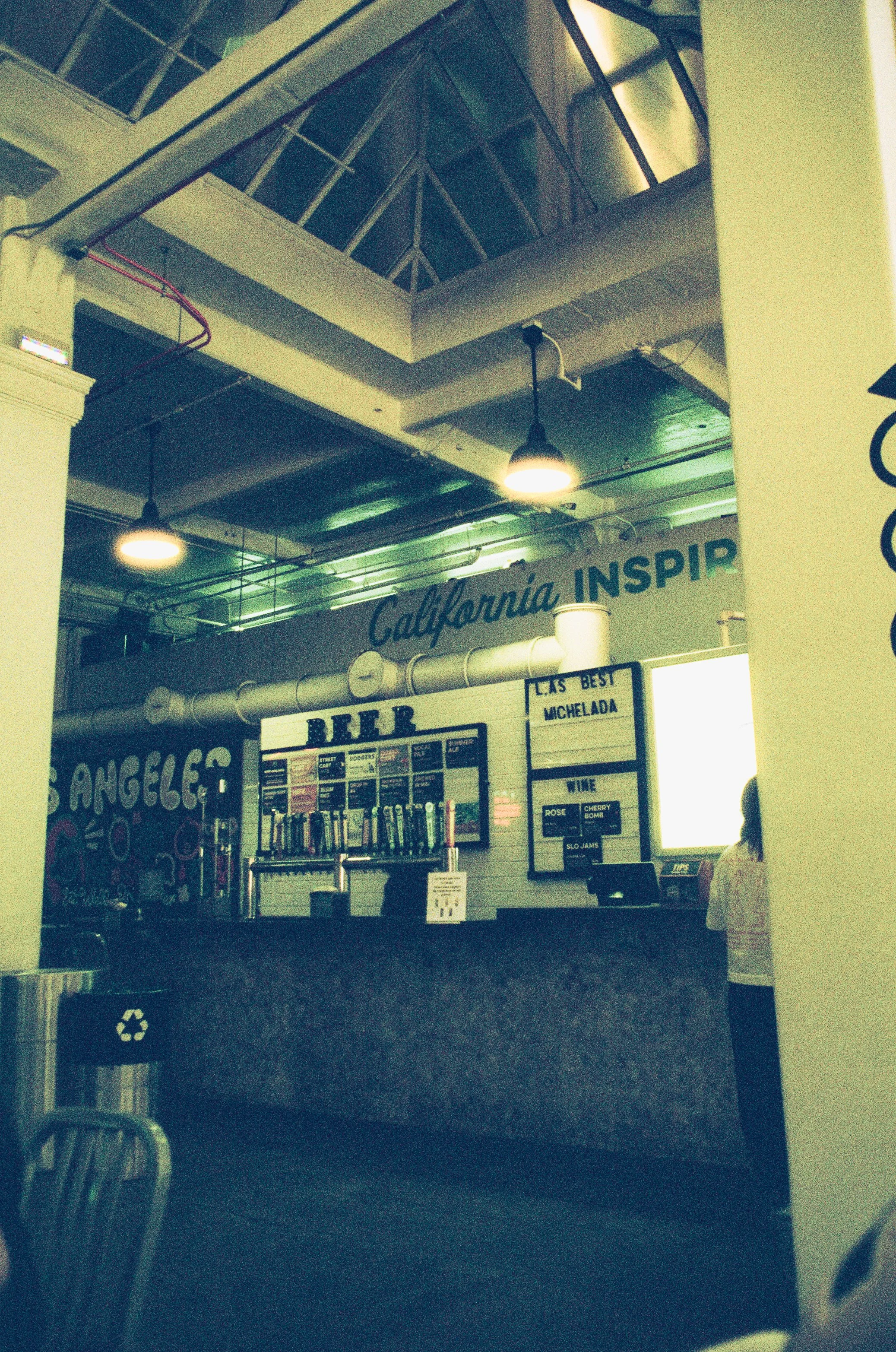
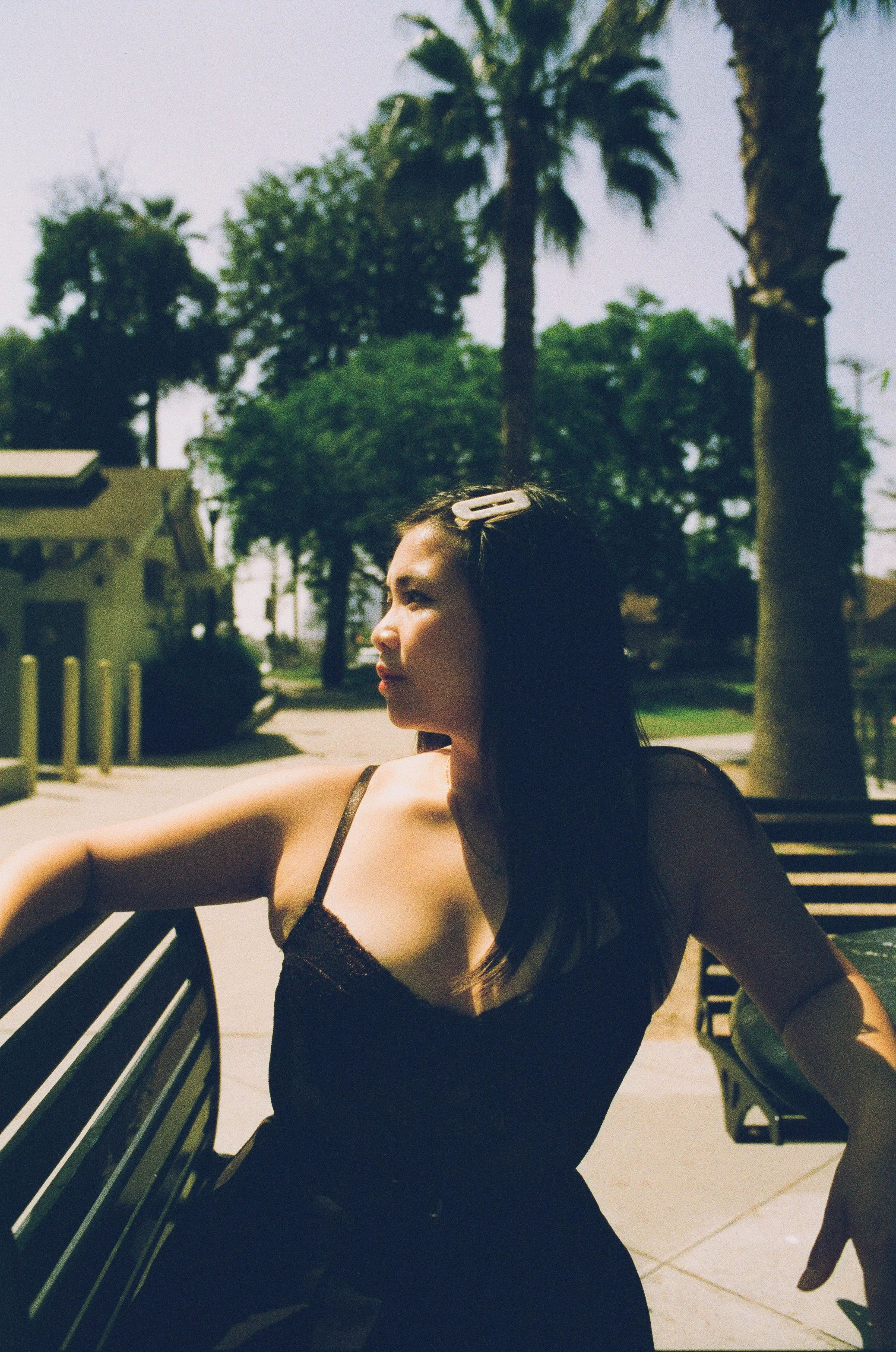
I shot the roll on my Nikon F3T with a 28mm f/2.8 AI-S lens. This combo has been a staple for me. I took it during a shoot with my friend, Mei Ling, taking some portraits of her at Echo Park Lake. I then walked around Downtown LA, testing out its street potential. Out of the 36 exposures, I’d say a good 7-10 were keepers. Had I slowed down for a bit, I probably would have had a few more. But it's somewhat my fault: I wasn't expecting such wonderful results out of this film.
While I wasn't as excited for the results, I found the photographs quite appealing in their overall colors and tone, quickly gaining a deep appreciation for the dedication and craft that was put into this newly released film stock. One of the photographs I took that speaks the most to me was that of Mei Ling's hand holding onto some leaves at Echo Park (Photo #5). The colors appeared very natural in that shot; it was one of the few shots I managed to take in a more softly lit environment, having shot in the shade at the park. It's a simple shot, but gives off a very warming and comforting feel.
A photograph I was pleasantly surprised with was that of the shoe at Echo Park (Photo #7), captured from a top-down view. I am always drawn to the unordinary in photographs, subjects that don't seem to fit in within their environment or offer something different and unique to that atmosphere. I was intrigued by how the shoe, although out of place in that environment, somehow blends into that natural landscape of grass and leaves and concrete.
Phoenix II is known to have a much wider latitude. While editing the scans, I found that Phoenix II retains a decent amount of information in the shadows and highlights. In addition, the film grain is smooth and pleasing to the eye, offering a very gentle character to it reminiscent of that classic vintage film look that we all love.
Looking back at my first roll of Phoenix II, I am happy to say that I enjoyed the experience. It is quite probable that I’ll find myself loading in a stock of Phoenix II in the near future. I took some keepers that I am quite happy about and worked really well under the palette provided by the film stock. While Phoenix II will not appeal to everyone, it is a hopeful reminder for the future of film photography as an evolving and everlasting medium.